Textile tours in India: A tapestry of magical experiences
Posted on By Flying Squirrel Holidays
India’s textile heritage is vibrant, richly patterned, and deeply rooted in centuries of tradition. From hand-woven silks to intricate embroideries, each fabric reflects not only regional skill and imagination but also the cultural identity of its people. A textile tour offers both local and international visitors the chance to experience this craftsmanship up close, far beyond what any museum or shop can provide.
These tours are more than sightseeing; they are a gateway to local customs and living traditions. Meeting artisans, visiting workshops, and learning about the crafts of each region provides a deeper understanding of India’s cultural diversity. Textile Tours India are ideal for everyone, from travellers to craft enthusiasts, and can also be a unique highlight within a thoughtfully curated India tour package that explores the country’s artistic and cultural heritage in depth.
Jump to sections
Why choose a textile tour in India
Tips for planning your textile tour in India
How Flying Squirrel Holidays can plan your textile tour
Why choose a textile tour in India
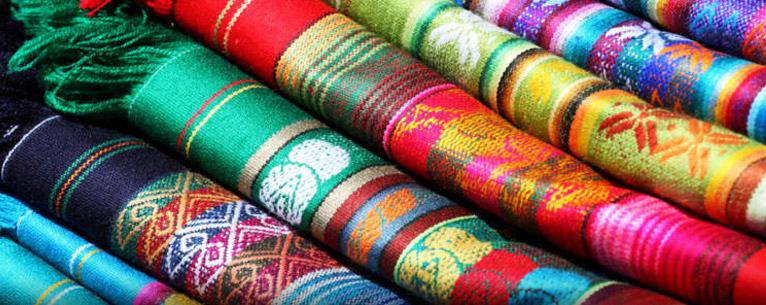
India’s textile heritage is a vibrant tapestry of colors, patterns, and stories. Textile Tours India offer more than sightseeing—they provide an immersive journey where tradition meets creativity.
Experience authentic craftsmanship
Observe traditional weaving, dyeing, and embroidery techniques that reveal the dedication and skill behind every handmade textile.
Hands-on learning
Many tours include workshops where you can try block printing, weaving, or embroidery, allowing you to connect directly with centuries-old craft traditions.
Cultural immersion
Exploring local villages and marketplaces gives travellers meaningful insight into the cultural and historical significance of each textile, demonstrating how these crafts shape daily life.
Unique souvenirs
Handmade fabrics, scarves, and embroidered pieces become cherished keepsakes—each carrying the story and heritage of its region.
Perfect for all travellers
Textile Tours India are ideal for both domestic and international travelers who seek authentic, culturally rich experiences that blend creativity, learning, and exploration.
Top textile regions in India
India’s diverse textile traditions evolve across its varied landscapes. Each region expresses its history through vibrant fabrics, intricate patterns, and remarkable handcrafted techniques.
Gujarat – The land of vibrant weaves
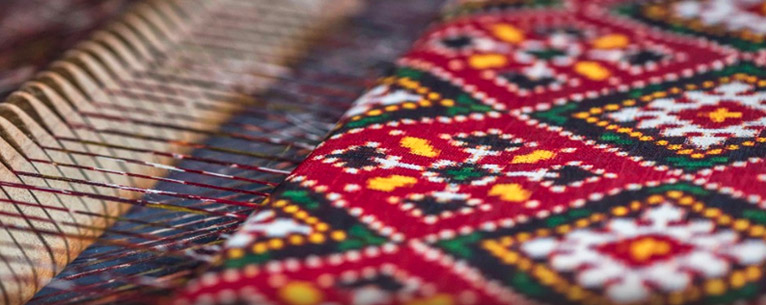
Gujarat boasts a lively textile legacy, from exquisite Patola silk to fine regional embroidery. Visitors can explore artisan communities and witness their craftsmanship firsthand.
What to do on a textile tour: A textile tour here often includes visits to traditional weaving villages where artisans spin, dye, and weave fabric entirely by hand. Workshops in block printing or tie-dyeing are available for those eager to learn. Local markets brim with handmade textiles, offering opportunities to interact with skilled craftsmen.
Gujarat offers some of India’s richest textile experiences, with villages across the state preserving age-old weaving and craft traditions. In Kutch, Bhujodi is renowned for its Vankar weavers who create beautiful shawls and stoles, while nearby Ajrakhpur and Dhamadka are celebrated for their exquisite Ajrakh block printing using natural dyes. Villages like Nirona showcase rare Rogan art, and Hodka and Bhirandiyara are known for intricate embroidery, leatherwork, and mud-resist textiles. Kukma and the Harijan Vas near Bhuj feature diverse embroidery and appliqué styles, offering immersive artisan interactions. Beyond Kutch, Patan is home to the legendary Patan Patola double ikat tradition, while Surendranagar and Sayla highlight the distinctive Tangaliya weaving technique.Jetpur stands out for its vibrant dyeing and block-printing workshops, and several Sodha Rajput and Ahir villages continue to practice colourful tribal embroidery. Together, these villages create a vibrant, culturally rich textile circuit ideal for craft lovers and cultural travellers.
Beyond textiles: Explore ancient temples, dramatic landscapes, and architectural marvels that add depth to the region’s cultural story. Rann of Kutch, Gir National Park, Somnath Temple and Rani Ki Vav are must-visit places.
Culinary delights: Sample Dhokla, Undhiyu, Khandvi, and a hearty Gujarati Thali
Best time to visit: November to February, when the weather is cool and festivities enliven the region.
Rajasthan – Royal threads of tradition
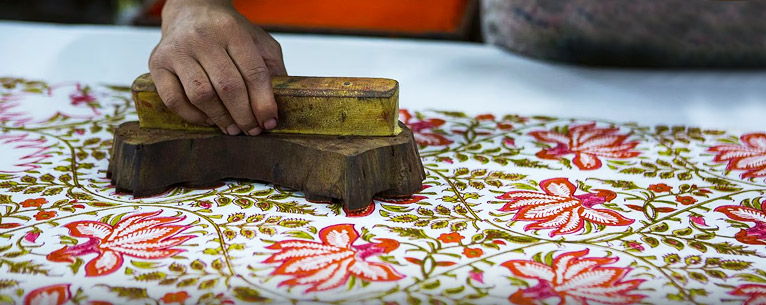
Rajasthan’s handloom heritage features striking colors, age-old dyeing methods, and exquisite block prints, all reflecting the state’s royal past and artistic brilliance.
What to do on a textile tour: You can explore the vibrant craft hubs of Bagru and Sanganer, renowned for their centuries-old block-printing traditions. In these artisan villages, you’ll witness master craftsmen mixing natural dyes, carving wooden blocks, and stamping intricate patterns onto cotton and silk with remarkable precision. Visitors can join hands-on workshops to try printing their own fabric, wander through local studios filled with Bandhani sarees, embroidered dupattas, and vivid turbans, and experience firsthand the cultural richness that defines Rajasthan’s textile heritage.
Beyond textiles: Explore grand forts, desert landscapes, and vibrant bazaars steeped in history. Check out Jaipur for its royal forts and palaces, Udaipur for serene lakes and romance, Jodhpur for its blue-washed old city, Jaisalmer for golden desert landscapes, and Pushkar for its sacred lake and vibrant bazaars.
Culinary delights: Indulge in Rajasthani Thali, Dal Baati Churma, Ghevar and other sweet delicacies.
Best time to visit: October to March, when pleasant winter weather enhances both textile exploration and cultural discovery.
Varanasi, Uttar Pradesh – The soul of silk
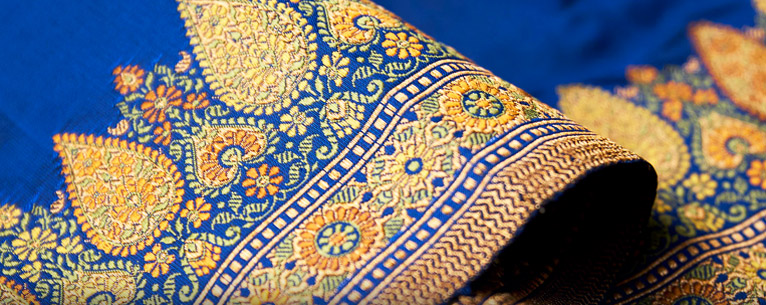
Varanasi’s silk weaving legacy is world-famous, especially for its luxurious Banarasi sarees and exquisite Zari work. The city’s weaving traditions are intertwined with the sacred Ganga and centuries of devotion.
What to do on a textile tour: Visit Varanasi’s traditional weaving hubs, such as Lallapura, Madanpura, and Peeli Kothi, to witness the creation of the famed Banarasi sarees. Here, master weavers skillfully interlace gold and silver zari threads into luxurious silk on age-old handlooms, producing patterns that have adorned royalty for centuries. You can join small riverside workshops near Assi Ghat to try basic weaving techniques and learn about the artistry behind each motif. Round off your experience by exploring bustling markets like Vishwanath Gali, Thatheri Bazaar, and Godowlia, where shelves overflow with exquisite silk sarees, dupattas, scarves, and beautifully woven textiles that capture the soul of Varanasi’s craft heritage.
Beyond textiles: Attend the Ganga Aarti, visit ancient temples, and wander through the colorful old-city lanes.
Culinary delights: Enjoy local favorites like Kachori, Jalebi, and the iconic Banarasi Paan.
Best time to visit: October to March, when the climate is cool and festivities fill the city.
Embark on a vibrant journey through India’s rich textile heritage. Book your immersive textile tour and experience the art, craft and culture like never before.

Tamil Nadu – Weaves of the South
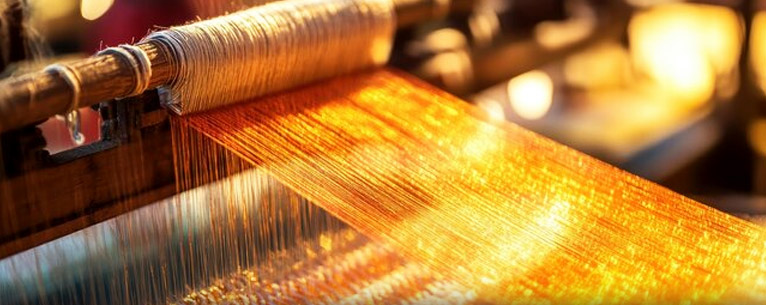
Tamil Nadu is renowned for its luxurious Kanchipuram silk and traditional handlooms. The state’s textiles reflect centuries of artistry, tradition and brilliant craftsmanship.
What to do on a textile tour: Visit the renowned weaving villages of Tamil Nadu, particularly Kanchipuram, Arani, and Koorainadu, where the artistry behind the iconic Kanchipuram silk saree comes to life. In these traditional craft clusters, you can observe artisans dyeing vibrant silk threads in courtyard workshops, preparing intricate korvai borders, and hand-weaving detailed motifs inspired by temples, nature, and mythology. Many villages offer immersive weaving sessions where visitors can try their hand at throwing the shuttle or understanding the jacquard patterning process. After engaging with the artisans, explore local co-operative stores and village markets, where shelves display luxurious Kanchipuram silks, earthy Chettinad cottons, and other regional weaves that reflect Tamil Nadu’s rich textile heritage.
Beyond textiles: Discover intricately carved temples, historic towns, and coastal heritage sites. Explore Tamil Nadu’s cultural gems, including Mahabalipuram’s ancient shore temples, Kanchipuram’s sacred shrines and silk heritage, Chettinad’s palatial mansions, Thanjavur’s Brihadeeswarar Temple, and the serene hillscapes of Ooty and Kodaikanal.
Culinary delights: Taste Dosa, Idli, Pongal, Filter Coffee, and classic Tamil specialties.
Best time to visit: November to February, when the weather is cool and comfortable.
Assam & North-East India – Threads from nature
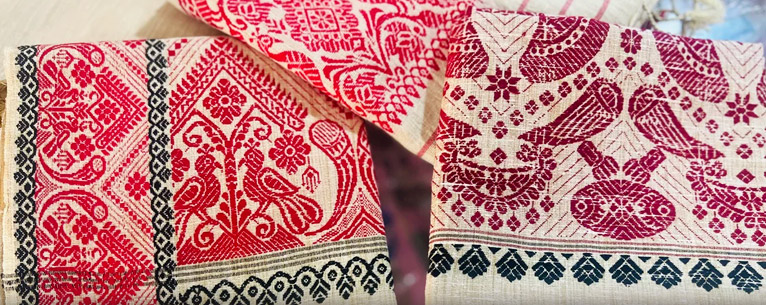
Assam and the Northeast are known for unique varieties of silk such as Muga and Eri. Tribal textiles highlight natural fibers, organic dyes, and ancient weaving traditions.
What to do on a textile tour: Visit the silk-weaving villages of Assam, particularly Sualkuchi, Boko, and Palashbari, where artisans create the world-famous Muga and Eri silk using techniques passed down through generations. In these serene rural clusters, you can watch weavers operate traditional throw-shuttle looms, observe the natural dyeing of yarn using herbs and forest materials, and see how intricate tribal motifs take shape thread by thread. Many village cooperatives offer hands-on workshops where visitors can try spinning or basic weaving alongside skilled tribal artisans. Afterward, explore local markets and community weaving centers filled with beautifully woven stoles, shawls, mekhela chadars, and organic Eri textiles, while engaging directly with the weavers who preserve Assam’s remarkable silk heritage.
Beyond textiles: Visit tea estates, scenic hill regions, and tribal communities for an immersive cultural experience. Discover Assam’s highlights, including Kaziranga National Park’s famed one-horned rhinos, Majuli Island’s vibrant satras and mask-making tradition, Sivasagar’s Ahom-era monuments and Kamakhya Temple in Guwahati.
Culinary delights: Savour Thukpa, Bamboo Shoot Curry, and other regional dishes.
Best time to visit: October to April, when the weather is pleasant and ideal for craft exploration.
Bengal – Heritage in every thread
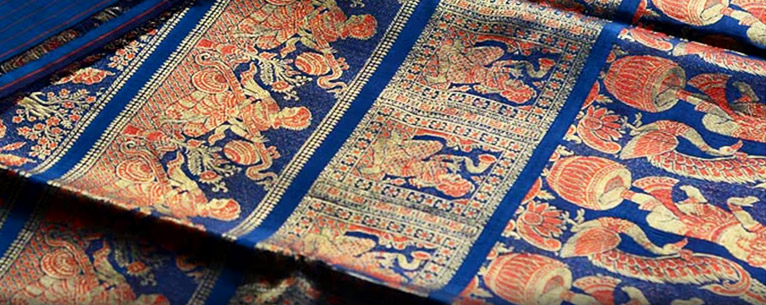
Bengal is celebrated for Baluchari and Tant sarees, along with an array of fine handloom fabrics. Its textile heritage represents centuries of artistry and cultural richness.
What to do on a textile tour: Explore Bengal’s renowned weaving hubs such as Bishnupur, famous for its exquisite Baluchari sarees depicting mythological tales, and Phulia and Shantipur, celebrated for their fine Tant sarees and soft handloom fabrics. In these villages, you can watch master weavers crafting intricate motifs on traditional pit looms, observe the meticulous spinning and dyeing processes, and learn how patterns are transferred onto fabric using age-old techniques. Many centers offer hands-on workshops where you can try simple weaving or embroidery under the guidance of experienced artisans. Strolling through local haats and cooperative markets, you’ll find vibrant sarees, stoles, and handwoven textiles that reflect Bengal’s rich cultural and artistic heritage.
Beyond textiles: Explore the Sundarbans, colonial architecture and cultural festivals for a complete experience. Explore Victoria Memorial, Howrah Bridge, Dakshineswar Temple, Kolkata’s heritage neighborhoods, and the terracotta temples of Bishnupur.
Culinary delights: Try Rosogolla, Sandesh, Machher Jhol, Mutton curry and luchi other Bengali classics.
Best time to visit: October to March, when festivals and cool weather enrich the journey.
Kashmir – The heaven of Pashmina and needlework
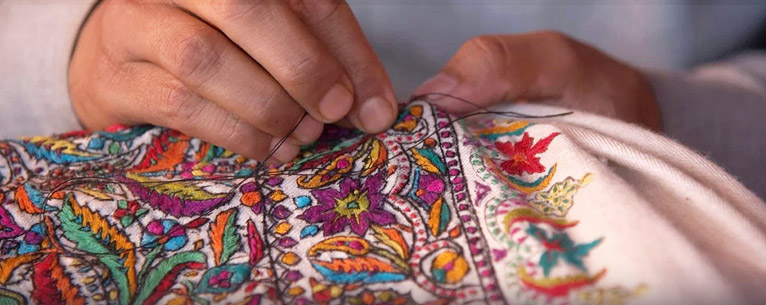
Kashmir is renowned for its soft Pashmina shawls, delicate embroidery, and fine woolens. Its textiles reflect centuries of artistry, tradition, and natural beauty.
What to do on a textile tour: Visit Srinagar’s old-city workshops in areas like Nawakadal, Zaina Kadal, and Eidgah where artisans create world-famous Pashmina shawls. Learn about intricate embroidery traditions—such as Sozni, Tilla, and Aari work—passed down through generations. Explore Pampore and Ganderbal to understand the origins of fine Pashmina wool, participate in small weaving or embroidery workshops, and browse vibrant markets like Lal Chowk, Polo View, and Residency Road for handcrafted scarves and shawls.
Beyond textiles: Explore scenic valleys and historic shrines. Visit Srinagar’s Dal Lake and Mughal gardens, Gulmarg’s meadows, Pahalgam’s valleys, Sonamarg’s glaciers and off-beat places like Sinthan Top.
Culinary delights: Enjoy Rogan Josh, Dum Aloo, Kahwa, and other Kashmiri specialties.
Best time to visit: March to October, when the weather is ideal and snowfall does not hinder travel.
Tips for planning your textile tour in India
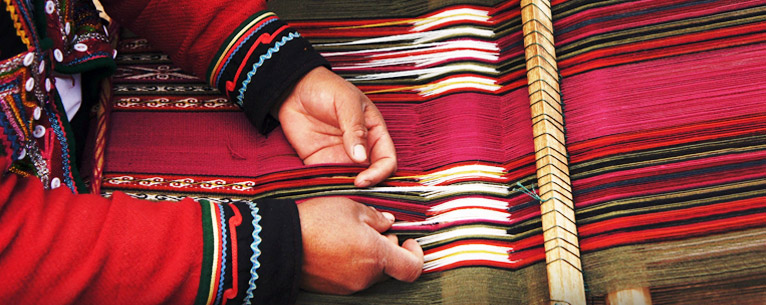
Planning ensures you experience authentic weaving traditions, engage with artisans, and make the most of workshops.
- Research regions and crafts: Choose destinations based on the textiles that interest you most.
- Connect with artisans: Visit workshops and villages to learn directly from master craftspeople.
- Schedule wisely: Select the best season for each region to enjoy good weather and local festivals.
- Include cultural experiences: Add heritage walks, markets, and performances for deeper immersion.
- Plan for souvenirs: Keep space for handcrafted fabrics and textiles—meaningful keepsakes of your journey.
How Flying Squirrel Holidays can plan your textile tour
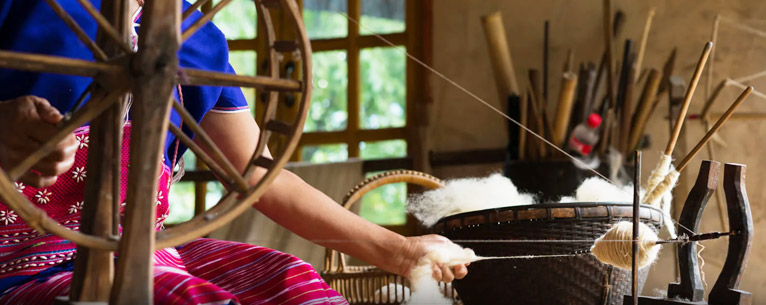
Flying Squirrel Holidays curates specialized Textile tours in India featuring artisan interactions, hands-on workshops, and rich cultural experiences. Our expert guides offer access to authentic weaving communities, seamless logistics, and meaningful stories behind every craft. Participate in traditional block printing, dyeing, and embroidery workshops and experience India’s textile heritage like never before.
Here’s a step-by-step guide:
Consultation and Interest Mapping – Share your interests, preferred regions, crafts, and duration of the trip. We help you identify which textile traditions—like Banarasi silk, Kanchipuram sarees, or Pashmina—match your passions.
Customized itinerary planning – Based on your preferences, we create a day-by-day plan covering artisan villages, weaving workshops, markets, cultural landmarks, and local experiences, ensuring a balanced mix of learning and leisure.
Local expert guides – We assign knowledgeable guides who are well-versed in textile history, weaving techniques, and cultural insights, making every visit immersive and informative.
Artisan interactions and workshops – We arrange visits to workshops and family-run weaving centers where travelers can observe artisans at work, participate in hands-on sessions like block printing, weaving, or embroidery, and understand the craft’s heritage.
Cultural and culinary experiences – We incorporate local cultural experiences, heritage walks, temple visits, and sampling regional cuisines to enrich your understanding of the craft’s context.
Travel and accommodation logistics – We handle all transportation, boutique stays, and homestays in craft villages, ensuring comfort while keeping you close to authentic artisan experiences.
Shopping and souvenir guidance – We provide curated recommendations for authentic handmade textiles, ensuring you can purchase quality fabrics directly from artisans.
Continuous support – Throughout the tour, we ensure smooth coordination, timely visits, and problem-free travel, making your textile journey hands-on, educational, and memorable.
Call +91 33 4052 5777 or visit www.flyingsquirrelholidays.com to start planning your textile tour in India.
FAQs
1. What is a textile tour?
A textile tour explores India’s fabrics, weaving traditions, and artisan communities through workshops, heritage walks, and market visits.
2. Who can join a textile tour?
Anyone—craft lovers, cultural explorers, students, and international tourists.
3. How long does a textile tour last?
Tours typically range from 3 days to 2 weeks, depending on destinations and activities.
4. Are workshops included?
Yes, most tours include hands-on sessions like weaving, block printing, or embroidery guided by local artisans.
5. When is the best time for a textile tour?
October to March, when the weather is pleasant and festival season enhances cultural experiences.