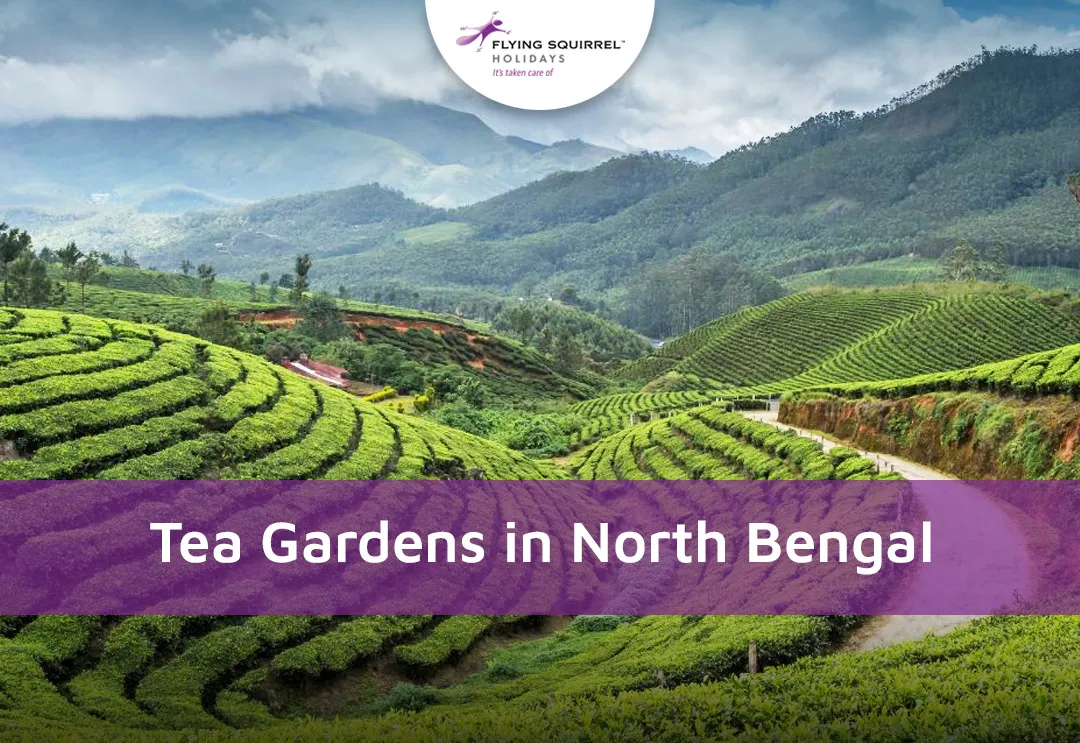
Tea Gardens in North Bengal: Best Places to Visit and Stay
Posted on August 31, 2021 By Flying Squirrel Holidays
What about an unhurried day relaxing, looking at the mist coming to your window? A trip to North Bengal can fix this. A visit to its tea gardens is a lovely way to explore the region beyond the usual sightseeing stops.
Spend time among the rolling plantations of Darjeeling and Kurseong, explore the gateway landscapes of the Terai to find a Siliguri tea garden for a quick escape, or head to a riverside Dooars tea garden where the estates spread across the foothills of the Himalayas.
This northern region is home to some of the most spectacular tea gardens in West Bengal.
Some estates offer opportunities to learn about tea production, while others are better suited to scenic walks or a stay close to the plantations. Each region has its own character, and the experience depends on where you go.
So, which properties belong on your list of tea gardens in North Bengal, and what can you actually do there?
This guide will help you choose where to go, find the experiences that interest you, and plan your visit with practical details on seasons, access, and accommodation.
Planning a getaway to the hills? Contact Flying Squirrel Holidays to structure your custom North Bengal itinerary.
Table of Contents
Why Choose a Tea Garden Holiday?
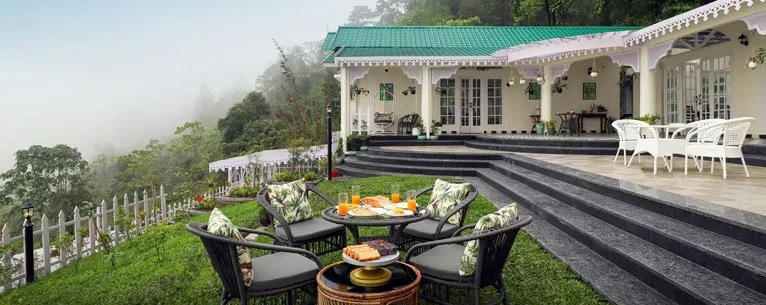
A visit to a tea garden in North Bengal offers much more than just views of rolling plantations. Depending on which estate you choose, you can walk through active tea fields, see how freshly plucked tea leaves are processed, sample distinct local flushes, or spend a night inside a historic colonial bungalow. The tea holiday in Bengal, India is growing, and the colonial estates of North Bengal have helped put the country on the map for ‘teatrotters’ worldwide.
The experience also changes completely from one area to another. Enjoy high-altitude hillside plantations in Darjeeling and Kurseong, while the Terai plains and the Dooars foothills feature expansive fields that run right up to wildlife corridors. Moreover, picnics, birdwatching, fishing, excursions, and wildlife safaris to nearby national parks are also popular.
This is the essence of tea tourism, and eastern India is one of the best places in the world to experience it. Choose a quick weekend trip or a longer heritage stay; there are many reasons to visit North Bengal. Just pick the right setting and pace for your journey, the way you like it.
Tea gardens in North Bengal at a glance
| Region | Tea gardens and areas to explore | What to expect |
| Darjeeling & Kurseong Hills | Happy Valley Tea Estate, Makaibari, Tumsong Chiabari, and Singtom | Sprawling, high-altitude hill slopes producing premium, orthodox tea (“Champagne of Teas”). Colonial-era heritage bungalow stays, guided estate walking trails, professional tea tastings, and active factory tours. |
| Kalimpong Hills | Fagu Tea Estate, Samabeong Tea Estate, Kumai Tea Garden | Mountain-view slopes overlooking the Chel River basin. Known for century-old British planter bungalow stays |
| Terai | Plantations surrounding Siliguri, Bagdogra, and NJP. Saraswatipur Tea Estate, New Chumta Tea Garden | Foothill and valley plantations closely bordering dense forests and national parks (like Gorumara and Neora Valley). Features luxury colonial bungalow resorts offering a mix of tea estate life, river picnics, and jungle safaris. |
| Dooars | Zurrantee (Juranti) and Damdim | Expansive tea gardens set among the foothills, with some estates offering bungalow stays and access to nearby nature destinations. |
Finding it difficult to choose between a hillside retreat or a forest estate? Let Flying Squirrel Holidays handle your region selection, stays, and local transport.
Quick Answer:
Why is India the best place to experience tea tourism?
Well, for starters, India is among the largest producers, exporters and consumers of the beverage. The estates here produce exceptionally high-quality, flavourful, and aromatic leaves, and the chance to taste a fresh cup right where it is harvested is a huge draw for travellers.
While plantations span multiple states, the most scenic and historic premium destinations are found tucked away in the offbeat locations of North Bengal.
Best tea gardens to visit in Darjeeling and Kurseong
Darjeeling and Kurseong are the most iconic areas to explore North Bengal’s tea-growing heritage. You can visit a tea garden close to town, learn how leaves are processed, or plan a longer stay on a working plantation. Here are four properties worth considering, depending on the kind of experience you are looking for.
1. Happy Valley Tea Estate, Darjeeling
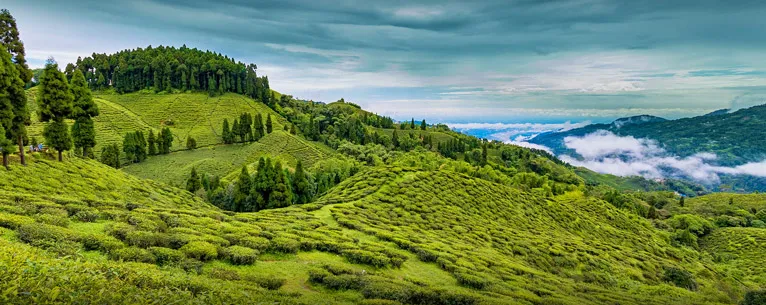
Located just around 3 km from the main town centre (near Chauk Bazaar), Happy Valley Tea Estate is one of the most accessible locations for visitors staying in the hill station. It is one of the second-oldest tea plantations, established in 1854 as the Wilson Tea Estate. You can take guided tours to see the steps of tea processing, including withering, rolling, fermenting, drying, and grading.
Best for: A short tea-garden visit while exploring Darjeeling.
The busiest period is generally March to May, when plucking and processing happens. The estate’s visitor arrangements and operating hours can change, so check the latest details before planning your visit.
2. Singtom Tea Estate, Darjeeling
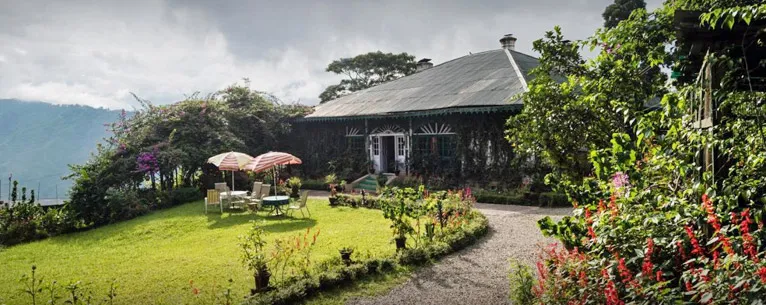
If you want spectacular views of Mount Kanchanjunga and more time to take in the vast tea gardens in West Bengal, Singtom is a must-visit. It is one of the oldest estates situated in the eastern Himalayas, near 20 minutes outside Darjeeling town.
From immersive tea plucking and tasting tours to behind-the-scenes factory visits, you can experience it all.
Best for: Travellers looking for an overnight tea-estate experience with guided activities in luxury.
3. Glenburn Tea Estate, Darjeeling
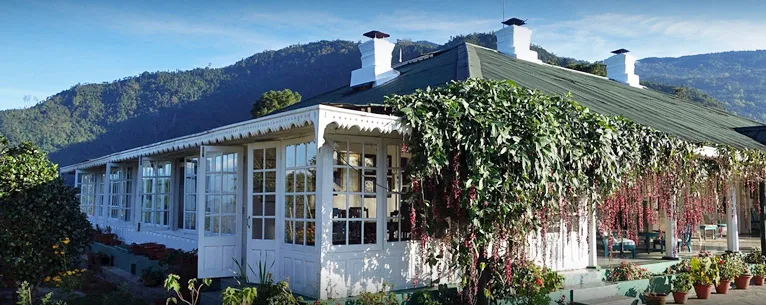
Set in a valley above the River Rungeet, Glenburn Tea Estate is a boutique luxury hotel and a historic 1,600-acre tea plantation located in the foothills of the Himalayas. Nestled deep within this serene landscape, the stay feels like the ultimate, peaceful mountain retreat. Just a 3-hour scenic drive from New Jalpaiguri Railway Station or Bagdogra Airport, you can easily reach this tranquil estate.
Best for: A longer, comfortable plantation stay with an interest in tea, nature and local experiences.
Tea production typically runs from late February through November, covering the first, second, monsoon and autumn flushes. Even if you visit outside the active plucking season, the estate still offers rich opportunities to learn about tea.
4. Makaibari Tea Estate, Kurseong
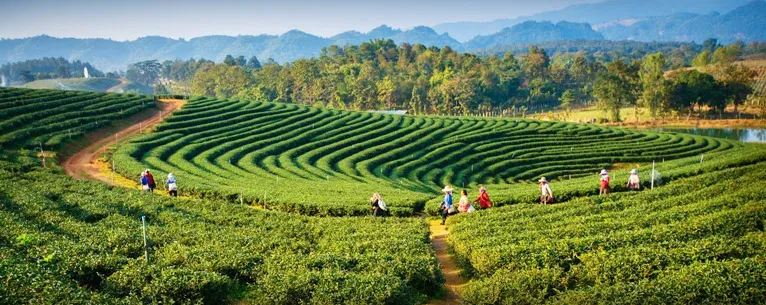
Located in Kurseong at an altitude of approximately 1,500 metres, Makaibari Tea Estate is globally recognised for combining biodynamic cultivation with forest conservation. Established in 1859, it uses organic, biodynamic, and permaculture agricultural practices.
The estate offers opportunities to learn about tea beyond the finished cup, including guided walks through the plantation, tea plucking, manufacturing demonstrations, and tasting sessions with a tea master.
Best for: Visitors interested in tea production, tasting and a closer connection with local community life.
Ready to experience a historic planters’ bungalow in Darjeeling? Share your travel dates to check availability and explore curated stay options.
Tea gardens in the Terai and around Siliguri
You don’t have to travel up into the Darjeeling hills to explore North Bengal’s tea gardens. Around Siliguri, the Terai offers its own tea-growing landscape, with plantations spread across the plains and the foothills. The Siliguri Tea Auction Centre is an important part of the industry in North Bengal, and the tea gardens of the city produce fine-quality tea.
Siliguri, the Gateway to North East India, is worth considering if you’re arriving through Bagdogra Airport or NJP and want to include a tea-garden visit in your itinerary.
1. The Mayfair Tea Resort, Siliguri

Mayfair Tea Resort allows visitors to enjoy the gardens in the lap of luxury. The resort is made in a colonial style, with vintage exquisite furnishings and tasteful, vintage decor. Their aim is to ‘take tea tourism in India to the highest global standards’, and they strive to attain this goal.
The Planters’ Club in the resort allows guests to taste fine tea from all over the world.
2. New Chumta Tea Estate, Terai
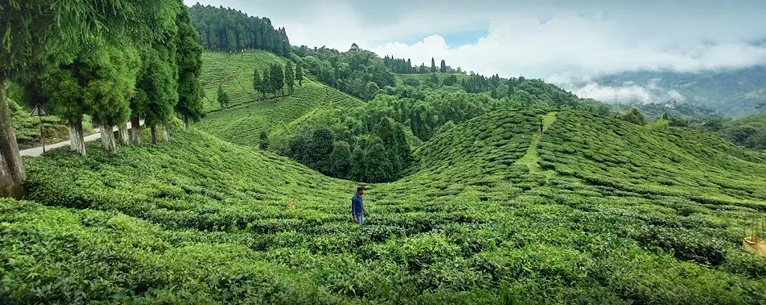
Located in the Terai near Siliguri, New Chumta Tea Estate is a good option for travellers who want to experience tea beyond plantation views. The estate promotes tea tourism, with experiences that include garden visits, tea tasting and the opportunity to learn about tea processing.
Built in elegant 16th-century Tudor-style architecture, the 5-star resort features black-and-white checkered floors, vintage collectables, and a dedicated Director’s Lounge full of historic antiques.
Best for: Travellers interested in tea-making experiences and an overnight stay close to the plantations.
Tea gardens and estate stays in the Dooars
The Dooars experience is different from Darjeeling and Kurseong. Here, the plantations spread out across wide valleys and share boundaries with thick tropical forests and swift mountain rivers. It is the perfect place to head if you want to mix a quiet plantation holiday with forest safaris and offbeat nature trails. You can explore the tea gardens, include nearby nature destinations in your itinerary or spend a night in a heritage tea bungalow.
1. Fagu Tea Estate, Kalimpong Foothills
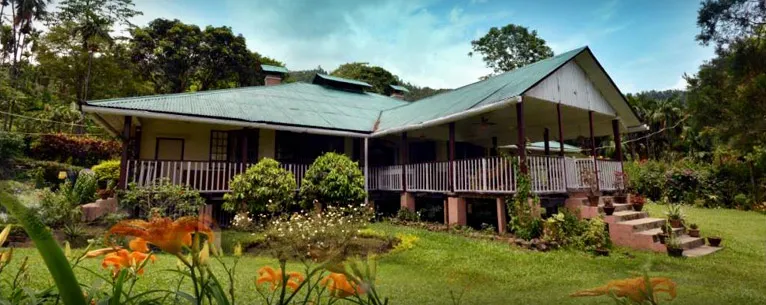
If you want absolute quiet away from the usual crowds, Fagu Tea Estate is known for its expansive plantations and heritage tea bungalow. It sits on a peaceful hilltop ridge in the Gorubathan area. The main highlight here is a beautifully preserved, century-old British colonial planter’s bungalow with high ceilings and working stone fireplaces.
Best for: An overnight tea-garden stay with opportunities to explore the surrounding countryside.
The Experience: Spend your days walking through the valley, taking a short trek to the hidden Fafar Kheti waterfalls, or touring the old factory to see how organic tea is processed.
2. Damdim Tea Estate Dooars
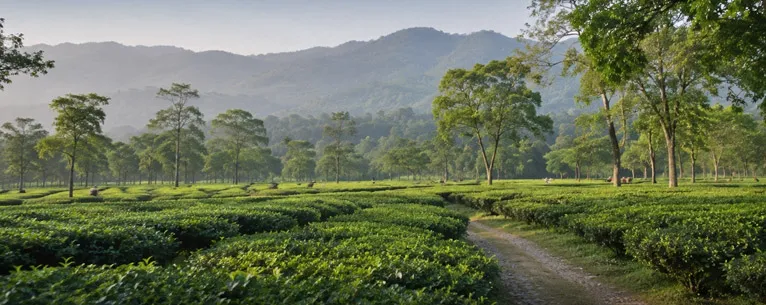
Damdim Tea Estate, near Malbazar, is another option for experiencing tea country in the Dooars. Its heritage property, Damdim Tea Residency, occupies a historic tea bungalow within the estate, offering visitors a way to connect their stay with the region’s tea-growing history.
The location is also convenient for exploring nearby destinations such as Gorumara National Park, Chapramari and Murti. This makes Damdim worth considering if you want to combine a plantation stay with wildlife and nature experiences.
Best for: Travellers who want to combine a heritage tea-bungalow stay with a Dooars itinerary.
When to Visit Tea Gardens in North Bengal
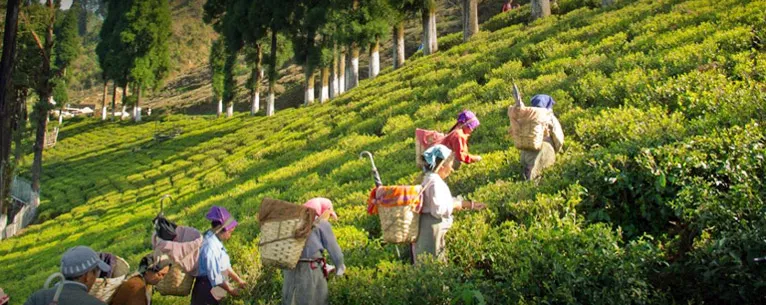
The best time to visit tea gardens in North Bengal depends on what you want to experience. If you’d like to see tea being plucked and learn how the leaves are processed, plan your trip during the growing and harvesting season.
For a more relaxed stay surrounded by plantations, consider the weather and the other places you want to explore nearby.
March to May is a good time to experience the spring tea harvest, particularly in Darjeeling and Kurseong.
October and November can also be a good time to visit. The monsoon is receding, and the autumn flush brings another phase of tea production. For the Terai and Dooars, tea plucking generally continues through much of the warmer months and into autumn, depending on the estate and weather conditions.
If your plans include the Dooars’ forests and wildlife destinations alongside tea gardens, November to March is generally more comfortable for sightseeing.
Frequently Asked Questions
What is the best time to visit tea gardens in North Bengal?
March to May is a good time to visit, especially if you want to see tea plucking and processing in Darjeeling and Kurseong. You can also consider October and November for pleasant conditions in many areas.
Which are the best tea gardens to visit in North Bengal?
Some well-known options include Happy Valley Tea Estate in Darjeeling, Makaibari in Kurseong, New Chumta near Siliguri, and Fagu and Damdim in the Dooars. Your choice depends on the experience you have in mind.
Can you visit tea gardens in North Bengal without a prior booking?
Not always. Many tea gardens are working estates, and access to the grounds, factories and accommodation may be restricted or arranged in advance. For any queries, you can connect with our travel expert at Flying Squirrel Holidays.
Can visitors see how tea is made?
Yes, some estates arrange factory visits, guided tours and tea-tasting sessions. These experiences depend on the estate’s visitor programme and whether the factory is operating during your visit.
Can you stay overnight at a tea garden in North Bengal?
Yes. Some estates have heritage tea bungalows or dedicated plantation accommodation, while others offer homestays in nearby villages. Options differ by region and property, so check what is available before booking. An overnight stay is particularly appealing if you want more time to explore the estate and its surroundings.
How do you reach the tea gardens in North Bengal?
For Darjeeling and Kurseong, Bagdogra Airport and New Jalpaiguri Railway Station (NJP) are useful entry points, followed by a road journey into the hills.
How many days do you need to explore the tea gardens of North Bengal?
Two to three days can work well if you want to explore tea gardens in one area, such as Darjeeling and Kurseong or the Dooars. Allow more time if you want to stay in a tea bungalow, arrange guided experiences or combine the plantations with other destinations.
Still not planning a Tea Garden Holiday in North Bengal?
A misty mountain view and a fresh brew of tea in hand, few travel experiences can match that.
From the hills of Darjeeling and Kurseong to the plantations of the Dooars, North Bengal offers several ways to experience tea country.
If you are finding it difficult to choose a stay from our list of tea gardens in North Bengal
Flying Squirrel Holidays can help you. From selecting the right region and accommodation to planning local transport and sightseeing, we’ll help you work out the details before you set off. Planning a trip to North Bengal? Get in touch with Flying Squirrel Holidays to start planning your journey. Connect with us at +91 33 40525777 / +91 833 697 8737 or email us at connect@flyingsquirrelholidays.com