Top 10 UNESCO Heritage Sites in India: A guide to the country’s most famous historical sites
Posted on By Flying Squirrel Holidays
Plan the perfect heritage journey with the best times to visit, must-see highlights, and expert travel insights.
The cultural fabric of India is a spectacular mosaic woven from centuries of dynasties, philosophies, and artistic traditions, all merging with intersecting civilizations. This landscape is an intricate tapestry shaped by migration, empire-building, artistic experimentation, and spiritual exploration. As you wander through the list of famous monuments of India, you begin to realize how every region carries its own voice, rhythm, and architectural poetry. From the ancient carvings of the south to the grand heritage monuments in Delhi, these extraordinary structures form a living archive of the nation’s evolution.
Each monument is a storyteller in stone. They offer far more than a visual spectacle. Together, they form a vivid list of historical monuments in India that narrates gripping tales of courage, devotion, intellect, and imagination. Whether you are admiring the haunting beauty of the Hampi monuments, tracing the symmetry of Mughal craftsmanship, or exploring the iconic top 10 monuments in India, you are stepping into chronicles shaped by artisans, visionaries, and rulers who defined entire eras.
As we journey through the heritage monuments of India, we don’t just witness history, we feel it breathing, echoing, and resonating.
Also read: India Private Luxury Tours: Tailored With Perfection – Flying Squirrel Holidays
Why visiting historical places matters
Visiting a historical place is one of the simplest ways to understand who we are and how far we have travelled as a civilization. The bustling heritage monuments in Delhi as well as the quiet and majestic Hampi monuments offer doorways into worlds that shaped modern India. These landmarks reconnect us with our cultural identity and remind us of traditions, beliefs, and values passed down through generations.
Exploring the list of famous monuments of India also reveals how communities evolved, how people lived, what they built, how they worshipped, and how they imagined beauty. The artistry on temple walls, the geometry of Mughal architecture, and the carvings etched into ancient stone teach us about craftsmanship that was once ordinary but now feels extraordinary. This is why artists, writers and thinkers continue to find inspiration in the long list of historical monuments in India.
These places may not be classrooms, but they are among the most powerful learning spaces we have. Students, travellers, and researchers gain something new with every visit. Tourism around these heritage monuments of India supports local families, guides, craftspeople, and entire towns. Many monuments also host festivals and rituals that keep old stories alive, turning history into a living livelihood.
Top 10 heritage monuments of India
1. India Gate
Location: New Delhi, Delhi
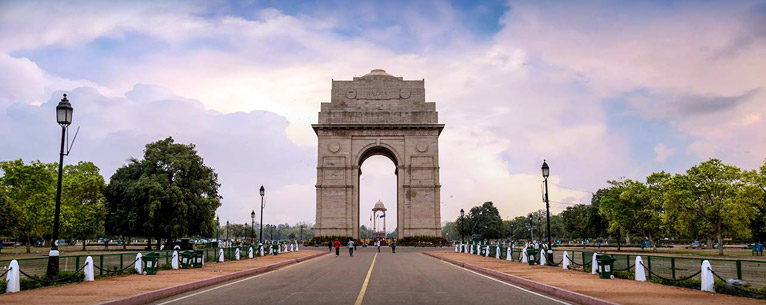
Key Features – India Gate rises like a solemn sentinel in the heart of the capital. Crafted from warm sandstone that glows at sunset, this monument was designed by Sir Edwin Lutyens to honour soldiers who lost their lives in World War I. The sweeping arch, wide lawns, and inscribed names create an atmosphere of remembrance that quietly moves every visitor.
Highlights – Beneath the arch stands the Amar Jawan Jyoti, symbolising courage and sacrifice. In the evening, the entire area glows with soft illumination. As one of the most visited heritage monuments in Delhi, India Gate is both a memorial and a living civic space where families gather and history feels deeply personal.
2. Agra Fort
Location: Agra, Uttar Pradesh
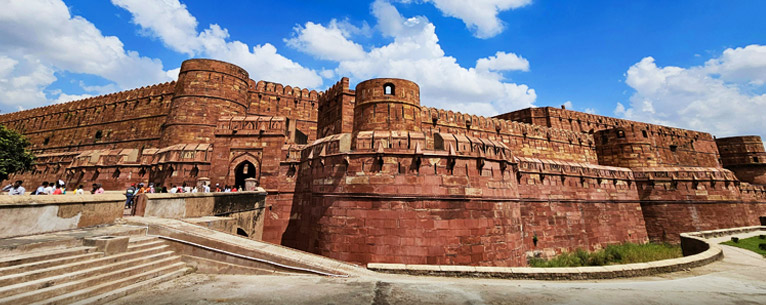
Key Features – Agra Fort is a colossal walled citadel shaped over centuries. Originally built with brick foundations and later transformed by the Mughals into a red sandstone masterpiece, it blends architecture, strategy, and royal grandeur. Behind its massive ramparts lie palaces, ceremonial halls, and serene courtyards that whisper stories of imperial life.
Highlights – The Jahangir Palace, the dazzling Sheesh Mahal, and distant views of the Taj Mahal add emotional depth to the experience. The fusion of Persian elegance and Indian craftsmanship makes Agra Fort a cornerstone of any list of historical monuments in India.
3. Red Fort (Lal Qila)
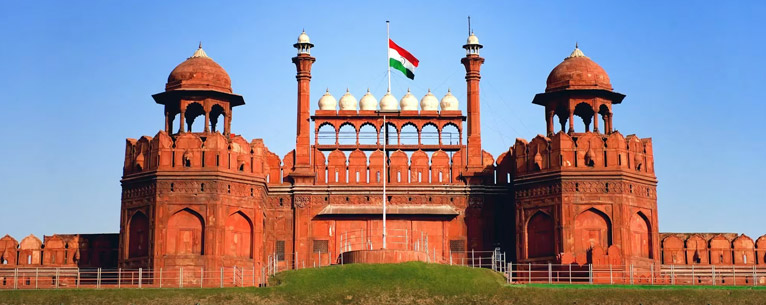
Location: Old Delhi, Delhi
Key Features – Built by Shah Jahan, the Red Fort is one of the grandest expressions of Mughal imagination. Its red sandstone walls enclose ceremonial gates, marble halls, and lush gardens laid out with symmetry and precision.
Highlights – The Diwan-i-Aam, Diwan-i-Khas, and Rang Mahal showcase exquisite craftsmanship. Every Independence Day, the Prime Minister addresses the nation from here, reinforcing its symbolic power. It remains one of the most important heritage monuments in Delhi.
4. Taj Mahal
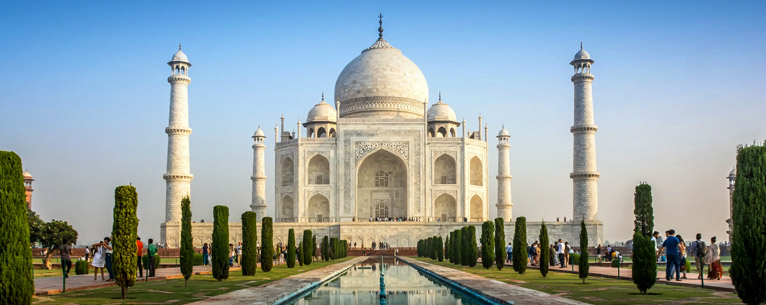
Location: Agra, Uttar Pradesh
Key Features – The Taj Mahal is the world’s most celebrated symbol of love. Commissioned by Shah Jahan in memory of Mumtaz Mahal, this marble masterpiece features a perfect dome, slender minarets, geometric gardens, and intricate pietra dura inlay work.
Highlights – A UNESCO World Heritage Site, it is among the most visited monuments on Earth and consistently ranks in the top 10 monuments in India. Whether seen at sunrise or under moonlight, its beauty lingers long after you leave.
5. Qutub Minar
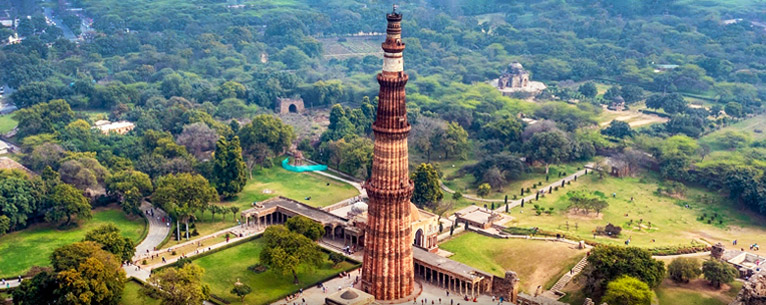
Location: Delhi
Key Features – Soaring skywards, Qutub Minar is a monumental chronicle of early Indo-Islamic architecture, decorated with Quranic inscriptions and intricate carvings. Begun by Qutb-ud-din Aibak, it represents architectural continuity across dynasties.
Highlights – The surrounding complex includes the Quwwat-ul-Islam Mosque and the famous Iron Pillar. It remains an essential entry in any list of historical monuments in India.
6. Fatehpur Sikri
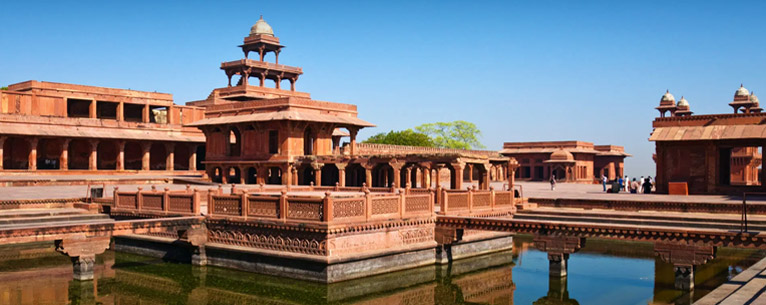
Location: Agra District, Uttar Pradesh
Key Features – Once Akbar’s capital, Fatehpur Sikri is built in red sandstone and reflects a blend of Persian, Hindu, and Central Asian styles.
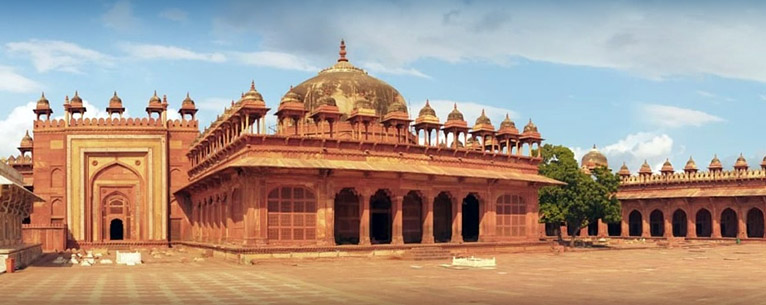
Highlights – The Buland Darwaza, Jama Masjid, and tomb of Salim Chishti make it one of the most atmospheric abandoned capitals in the heritage monuments of India.
7. Ajanta Caves
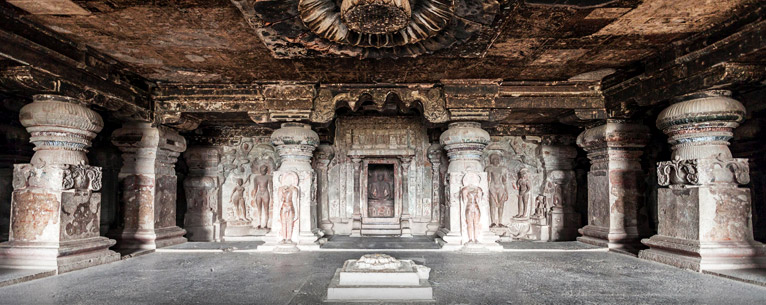
Location: Aurangabad District, Maharashtra
Key Features – These 30 rock-cut caves trace the evolution of Buddhist art from the 2nd century BCE to the 6th century CE.
Highlights – The murals depicting Jataka tales are among the finest surviving ancient paintings in the world.
8. Ellora Caves
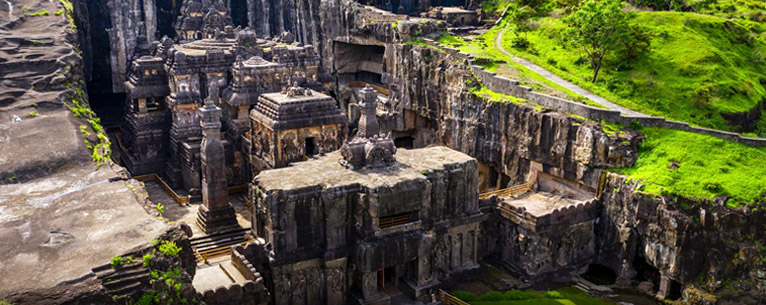
Location: Aurangabad District, Maharashtra
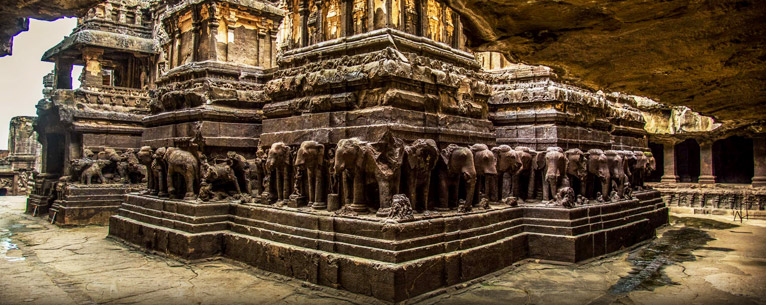
Key Features – Ellora showcases Hindu, Buddhist, and Jain traditions in 34 caves, including the extraordinary Kailasa Temple carved from a single rock.
Highlights – It is one of the greatest engineering and artistic achievements in the list of famous monuments of India.
9. Elephanta Caves
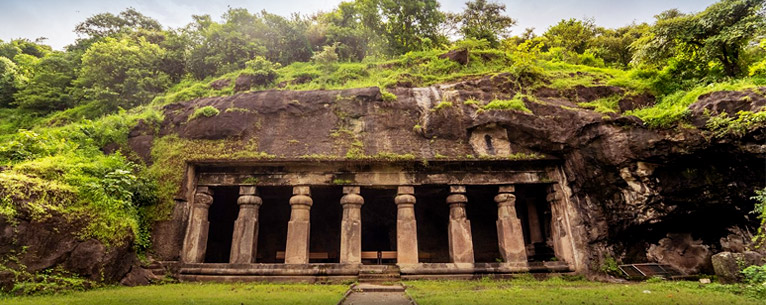
Location: Gharapuri Island, Maharashtra
Key Features – Dedicated to Shiva, these caves are famous for the monumental Trimurti sculpture.
Highlights – A UNESCO site, they combine spiritual depth with dramatic rock-cut architecture.
10. Khajuraho Temples
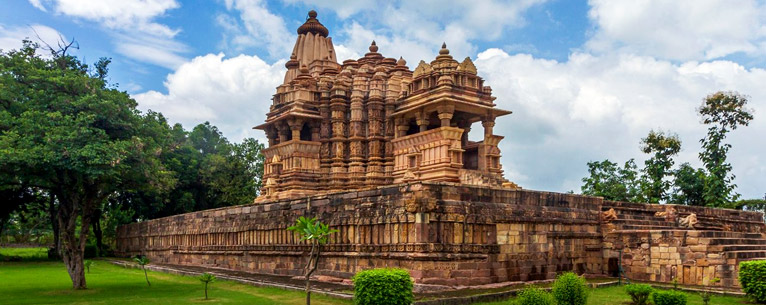
Location: Chhatarpur District, Madhya Pradesh
Key Features – Built by the Chandela rulers, these temples are celebrated for their detailed sculptures and Nagara-style architecture.
Highlights – Though famous for their erotic imagery, they symbolise spiritual balance and remain among the top 10 monuments in India.
If you want to visit heritage monuments in India, let us know. Our travel experts will curate the perfect itinerary for you.

Hidden gems and iconic landmarks: Famous heritage monuments across India
Beyond the famous top 10 monuments in India, the country is filled with countless architectural and cultural treasures that enrich the wider heritage monuments of India. These sites deepen every traveller’s understanding of the nation’s artistic, spiritual, and historical journey. Together, they complete the broader list of famous monuments of India and form an essential part of the list of historical monuments in India.
1. Hampi Monuments
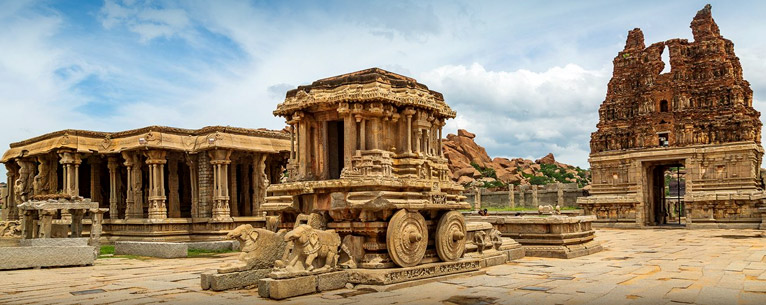
Location: Hampi, Karnataka
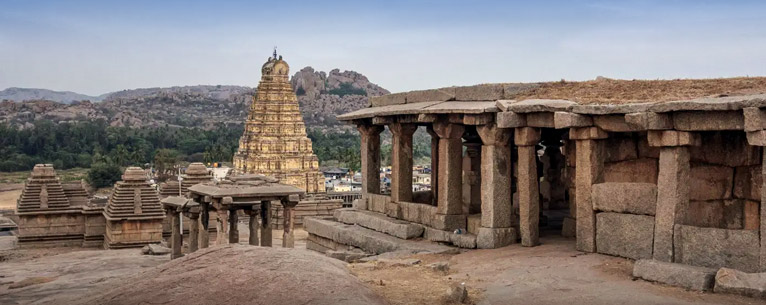
Key Features – The Hampi monuments unfold across a surreal landscape of giant granite boulders, ancient streets, riverbanks, and ruined temples. Once the thriving capital of the Vijayanagara Empire, Hampi was among the richest cities of medieval India. Its urban planning reveals royal enclosures, water reservoirs, ceremonial platforms, and long market streets lined with stone pavilions.
Highlights – The Virupaksha Temple continues daily worship, anchoring the ruins in living tradition. The Vittala Temple complex houses the iconic Stone Chariot and musical pillars that reflect exceptional craftsmanship. Panoramic views from Matanga Hill and Hemakuta Hill reveal the scale of this once-glorious city, especially during sunrise and sunset. The Hampi monuments rightfully earn their place in every list of famous monuments of India and are often counted among the top 10 monuments in India for their unmatched blend of history, devotion, and dramatic beauty.
2. Keoladeo National Park
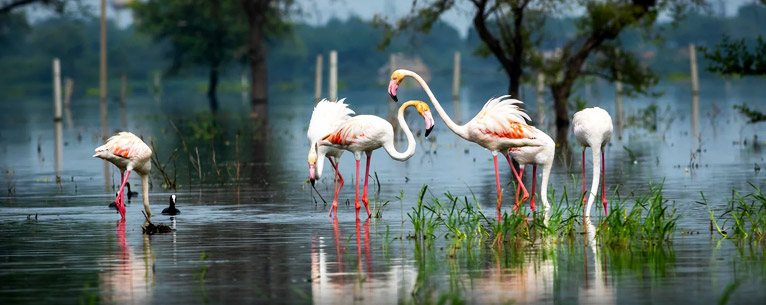
Location: Bharatpur, Rajasthan
Key Features – Its unique history places it firmly within the broader list of historical monuments in India, where conservation and heritage meet.
Keoladeo National Park is a carefully balanced wetland ecosystem shaped by both human ingenuity and natural rhythm. Once a royal duck-hunting reserve, it is now one of the world’s most important wintering grounds for migratory birds. Seasonal flooding creates a mosaic of marshes, grasslands, and shallow pools ideal for nesting.
Highlights – Declared a UNESCO World Heritage Site in 1985, the park hosts thousands of birds from Siberia, Central Asia, and Europe every winter. Pelicans, storks, herons, and cranes dominate the skies.
3. Charminar
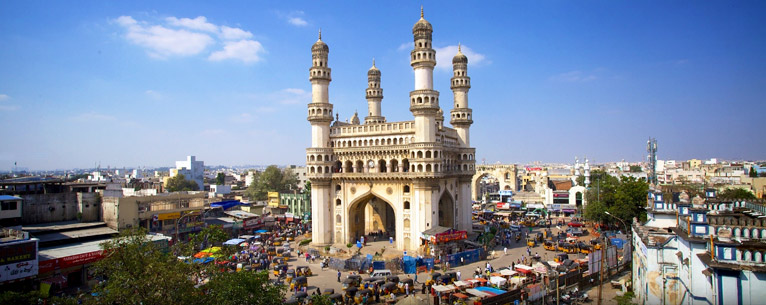
Location: Hyderabad, Telangana
Key Features – Located in the heart of Hyderabad, Charminar was built in 1591 to commemorate relief from a devastating plague. Its four grand arches and minarets blend Persian, Indo-Islamic, and Deccan styles into a perfectly balanced structure.
Highlights – A mosque crowns the upper floor, while narrow stairways lead to sweeping views of the old city. The surrounding bazaars, especially the famous Laad Bazaar, keep history alive through daily life. Like the great heritage monuments in Delhi, Charminar shows how monuments remain deeply woven into urban identity.
4. Hawa Mahal
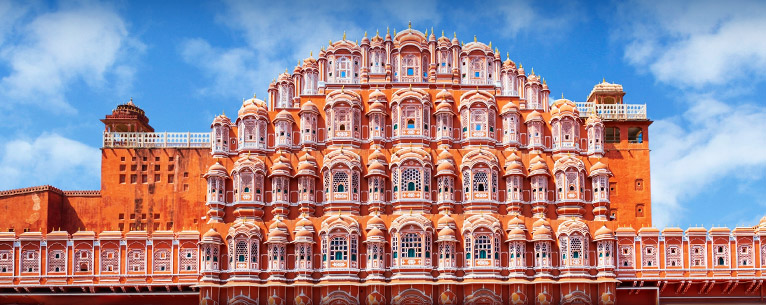
Location: Jaipur, Rajasthan
Key Features – Built from pink and red sandstone, Hawa Mahal’s honeycomb façade of windows was designed so royal women could observe street life unseen. Its climate-sensitive design allows air to flow freely, earning it the name “Palace of Winds.”
Highlights – Built in 1799 by Maharaja Sawai Pratap Singh, it overlooks Jaipur’s bustling bazaars and royal routes. Inside, galleries display artifacts and architectural fragments. More than decorative, Hawa Mahal reflects social history and remains a cherished entry in the list of famous monuments of India.
5. Mysore Palace
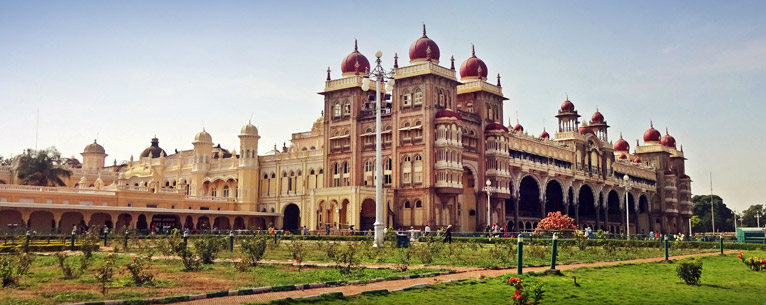
Location: Mysuru, Karnataka
Key Features – Also known as Amba Vilas Palace, Mysore Palace is a royal residence that exemplifies Indo-Saracenic architecture blended with Gothic, Hindu, and Rajput elements. Marble floors, stained glass ceilings, and carved teakwood doors define its interiors.
Highlights – During the Dasara festival, the palace is illuminated with thousands of bulbs, creating one of India’s most spectacular sights. It remains one of southern India’s most visited landmarks and a proud symbol of royal heritage.
6. Madurai Meenakshi Amman Temple
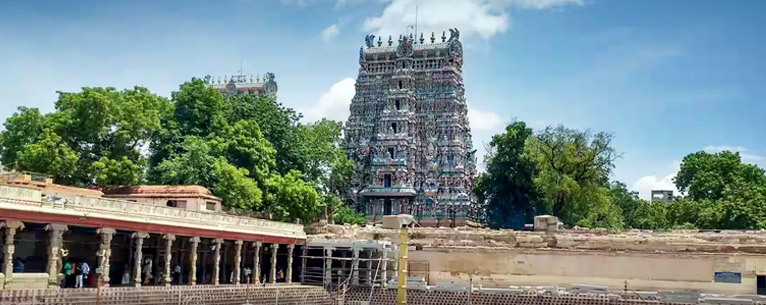
Location: Madurai, Tamil Nadu
Key Features – Dedicated to Goddess Meenakshi and Lord Sundareshwarar, the temple complex is defined by towering, sculpture-filled gopurams and vast mandapams covered in vividly painted figures.
Highlights – Spanning nearly 14 acres, it is one of the largest temple complexes in India. Daily rituals and grand festivals keep it spiritually alive, making it both a sacred site and a cultural classroom within the heritage monuments of India.
7. Lepakshi
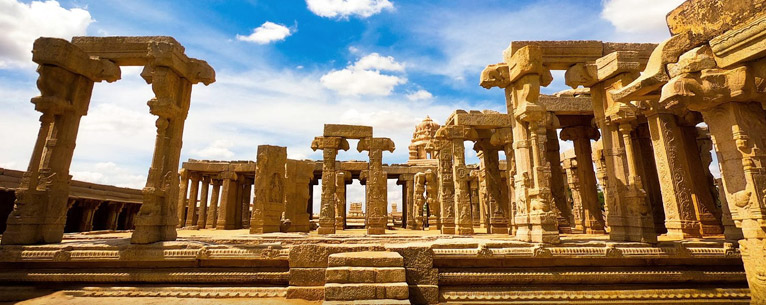
Location: Anantapur District, Andhra Pradesh
Key Features – This heritage village is home to the 16th-century Veerabhadra Temple, one of the finest surviving examples of Vijayanagara art. The complex blends Chalukyan balance, Hoysala detailing, and Kakatiya sculptural intensity.
Highlights – The famous hanging pillar, the colossal monolithic Nandi, and richly carved Kalyanamandapa make Lepakshi a living museum of artistic and technical excellence, preserving the spirit of the Vijayanagara era.
8. Pattadakal
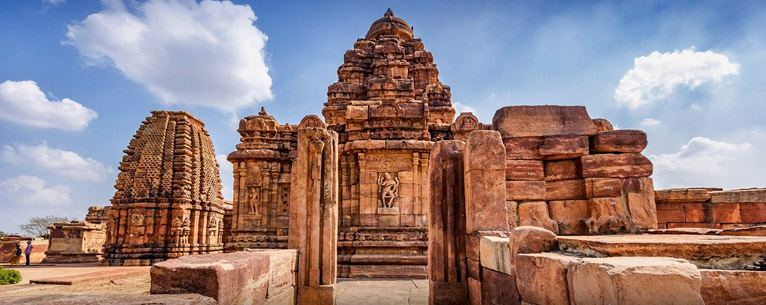
Location: Bagalkot District, Karnataka
Key Features – Pattadakal marks a rare meeting point of northern Nagara and southern Dravidian architectural styles. Once a Chalukyan coronation site, it is home to ten major stone temples.
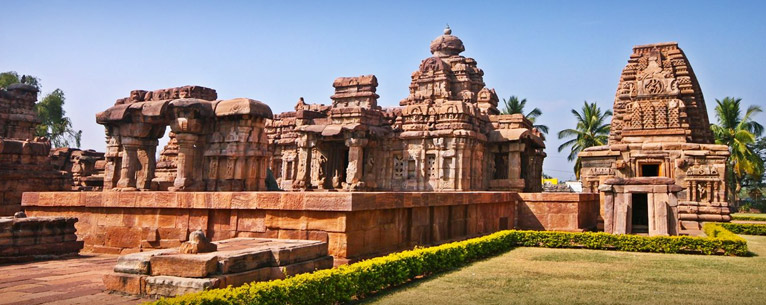
Highlights – The Virupaksha Temple dominates the complex, while others like Mallikarjuna and Papanatha show architectural diversity. A UNESCO World Heritage Site, Pattadakal represents one of the most refined chapters in the list of historical monuments in India.
9. Golden Temple (Sri Harmandir Sahib)
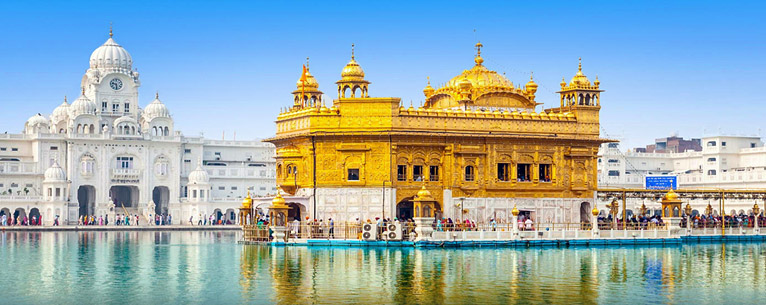
Location: Amritsar, Punjab
Key Features – The Golden Temple is the holiest shrine of Sikhism, set in the centre of the sacred Amrit Sarovar. Its four entrances symbolise openness to all faiths.
Highlights – The Langar, serving free meals to thousands daily, reflects the highest ideals of service and equality. It remains one of the most spiritually powerful sites among the heritage monuments of India.
10. Sun Temple, Konark
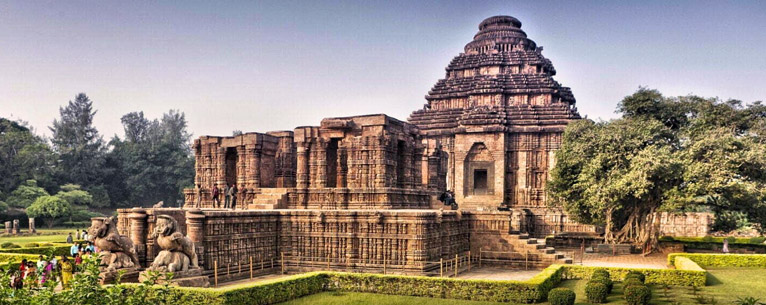
Location: Konark, Odisha
Key Features – Built in the 13th century, the Sun Temple is designed as a colossal stone chariot of Surya, the Sun God, complete with 24 carved wheels and seven stone horses.
Highlights – Each wheel acts as a sundial, reflecting extraordinary astronomical knowledge. A UNESCO World Heritage Site, Konark remains a masterpiece of artistic imagination and scientific precision and a proud entry in the list of famous monuments of India
Also read: Discover The Vibrant Culture Of India – Flying Squirrel Holidays
Where to visit when: Best time to explore India’s heritage monuments
Where to visit when: Best time to explore India’s heritage monuments
| Where to Visit | Best Travel Months | What to See | Visitor Notes |
| North India (Delhi, Agra, Amritsar) | October – March | Heritage monuments in Delhi, Taj Mahal, Agra Fort, Golden Temple | Winter weather is ideal for walking tours. Start late mornings to avoid fog and crowds. |
| Rajasthan (Jaipur, Udaipur region) | November – February | Hawa Mahal, city palaces, forts, old bazaars | Carry light woollens for evenings. Avoid summer unless heat builds character. |
| Central India (Khajuraho) | October – February | Khajuraho temples, sandstone carvings, temple complexes | Visit early for soft light and better photography. Guides enrich the experience. |
| South India (Hampi, Mysore, Lepakshi, Madurai, Pattadakal) | October – February; August – September | Hampi monuments, royal palaces, grand Dravidian temples | Sunscreen is essential. Festival months offer vibrant cultural experiences. |
| Western India (Ajanta, Ellora, Elephanta, Konark) | November – March | Rock-cut caves, Sun Temple, ancient sculptures | Dry season is best. Monsoons turn heritage walks into obstacle courses. |
| Wildlife Heritage (Keoladeo National Park) | December – February | Migratory birds, wetlands, diverse ecosystems | Early mornings are best. Bring binoculars and patience—nature sets the timetable. |
Travel essentials for exploring heritage sites
- Practical know-how
Comfortable footwear is your best companion because ancient monuments love stairs and long walks. Carry water and light snacks especially when you are visiting at expansive sites. Sun protection is absolutely essential. - Photography pointers
Early mornings and late afternoons offer the best of the natural light. Tripods and flash photography may be restricted, so make sure you always check rules in advance. Always respect barriers and no-entry zones. - Cultural courtesy
Dress modestly at temples and religious complexes. Footwear removal is mandatory at most of the sites. Maintaining silence in sacred areas is an act of respect for ongoing rituals and worship. - Safety awareness
Particularly in crowded heritage zones, make sure all your valuables are safe. Some touts promising shortcuts or exclusive access should be avoided. Always choose well mandated guides for accurate and deep insights. - Planning & bookings
Try to book tickets online where possible in order to save time. Always check for weekly closure days in advance. Arriving early helps a lot in avoiding crowds and makes the experience far more enjoyable.
Which chapter of India’s past would you choose to step into first?
History is no longer something you read about when you stand in front of stones that are centuries old, it becomes something you feel. Heritage monuments thus become not only dates but also doorways, craftsmanship into conversation, and the past into living experiences. By walking through these places, you get to see how one thing that was faith, power, artistry, and everyday life was interwoven to create the identities that are still reverberating today.
Visiting such places is not merely a visual feast, but rather a silent conversation with time. And although the trip may be starting with curiosity, it usually results in a profound admiration of the tales existent in every sculpture and courtyard.
Discovering India’s heritage with proper planning, smooth movement, and experiences that are just right for your tempo can be very relaxing, thus giving you the liberty to concentrate on what is really important: being there where history is still alive.
Go on a heritage tour with Flying Squirrel Holidays
A trip to see heritage monuments in India sounds great, but the problem with it is that it is full of decisions like when to go, how to stay away from the crowd, which local guides are trustworthy, and where to stay. Expert guidance really helps in such kind of a situation.It is not hard to visualize having an itinerary that is customized only for you with the most efficient travel routes planned, tickets bought in advance, accommodations at perfect locations secured, and insider tips for sightseeing, photography, and cultural experiences waiting for you. Every little thing in your travel plan is done for you, so you can totally focus on walking through old forts, temples, and palaces, and really getting the history and the magnificence. Here we come to your rescue.
Through careful planning and personal guidance, your trip will be a smooth one, it will be nice, and it will stay in your memory for a long time, thus giving you the freedom to roam around, find new things, and make unforgettable memories at every heritage site.
Feel free to call us at +91 33 4052 5777 or drop by at www.flyingsquirrelholidays.com for more information.
FAQs
1. How many UNESCO World Heritage Sites are there in India?
At present, India has 44 sites on the UNESCO World Heritage list, which include cultural, natural, and mixed properties.
2. What is the most famous heritage monument in India?
The Taj Mahal in the city of Agra may be regarded as the most popular monument and is renowned for both its beautiful white marble structure and its romantic story.
3. When is the best time to visit the monuments of North India?
From October to March, the weather in Delhi, Agra, and Amritsar is cool and pleasant, which makes it a great time for sightseeing.
4. Are there any monuments in India that have religious significance?
There are many other examples of monuments such as Golden Temple, The Meenakshi Temple in Madurai, The Sun Temple at Konarak where the focus is also about religion, but the monuments are important parts of the history of the religion too.
5. What are the best monuments for photography?
Places like Hampi, Khajuraho and Fatehpur Sikri are the best monuments to take photos of, especially during the first few hours of the day or the late afternoon light.
6. Are all heritage monuments free to enter?
Not at all. For instance, Taj Mahal and Red Fort need entry passes, whereas Hawa Mahal’s facade and parks are open to all without charging any fee.
7. What are the 10 most famous monuments in India?
The 10 most famous monuments in India include: 1. India Gate; 2. Agra Fort; 3. Red Fort; 4. Taj Mahal; 5. Qutab Minar; 6. Fatehpur Sikri; 7. Ajanta Caves; 8. Ellora Caves; 9. Elephanta Caves; 10. Khajuraho Temples.
8. Is it safe for solo travelers to visit these monuments?
Yes. Use of official guides and advice to avoid desolate areas after dark, as well as securing personal belongings in crowded places, are recommended.
9. Do heritage sites in India have certain restrictions for visitors?
Yes, many of them insist on visitors dressing modestly, removing shoes at religious places, and following photography rules and taking care not to enter areas where access is prohibited.
10. Which monuments are best to visit during festivals?
There is no better time to visit Mysore Palace than during the Dasara festival, the Golden Temple during Gurpurab and Hampi during the local temple festivals are vibrant cultural experiences.
11. Are heritage monuments fun for children?
Certainly. Numerous places offer guided tours, have members of the interactive community, and have ample space great for family visits.
12. How long should one ideally spend at each monument?
That depends. Such big places as Hampi or Fatehpur Sikri will take from 3-4 hours, however, smaller temples or forts can be visited in 1-2 hours.
13. Do you think guided tours are a good idea?
Yes. The reasons for this include the fact that guides provide not only historical background information and interesting stories but also good directions when touring some large or complicated sites.
14. What is the oldest heritage site in India?
The Rock Shelters of Bhimbetka, located in Madhya Pradesh, are from prehistoric periods and rank among the oldest Indian cultural sites.
15. Can one visit wildlife heritage sites along with historical monuments?
Indeed, for example, Keoladeo National Park merges cultural heritage with the diverse ecosystem, thus making it a one of a kind destination for travelers.
16. Are online tickets available for major monuments?
One can usually purchase tickets via the internet for most of the major monuments like Taj Mahal, Red Fort, and Qutub Minar, and it is advised to book them in advance to avoid the long lines.
17. Why is it important to visit these heritage monuments?
They offer a physical link to the past of India, keep alive the work of art and building, and enable the visitors to grasp the cultural, religious and social changes that have taken place.